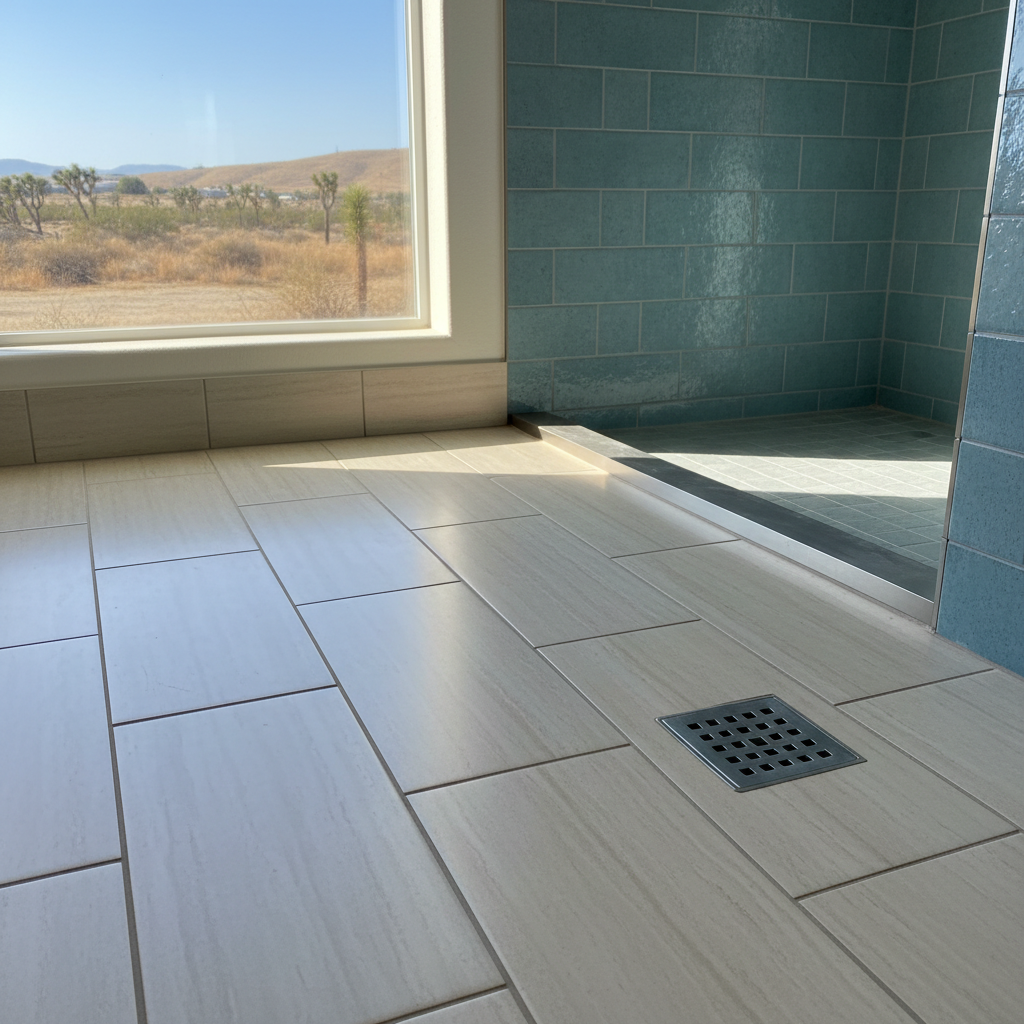
What's the best flooring for a bathroom?
Alright, let's just be honest: bathrooms are wet. Like, really wet. So, when you're picking out flooring, you absolutely have to think about water resistance first. Ceramic and porcelain tile? Those are usually my top picks. They're tough, they really don't care about splashes, and cleaning them is a breeze. Plus, you can find them in a million different styles, colors, and textures, so you won't get stuck with something you hate. Vinyl plank flooring is another solid choice. It's come a long way, looks genuinely good these days, and it's totally waterproof. Laminate? I'd generally tell you to stay away from it for bathrooms. Even the "water-resistant" kinds can swell and warp if they get too much moisture, and trust me, they will in a bathroom. Hardwood? Forget about it. Unless you're looking for a headache and a warped floor in a few years, keep wood out of these wet zones.
How long does a tile installation take?
That's a question we get a lot, and honestly, it really depends on a few things. A small bathroom floor, maybe 50 square feet, might take 2-3 days from start to finish. That includes all the prep work, actually laying the tile, and then grouting. A bigger area, like a kitchen and dining room, could easily stretch to a week or more. So, why isn't it just a one-day thing? Well, first, you've got demolition. Pulling up old flooring takes time. Then, you need to get the subfloor ready. If it's uneven, or if there's old adhesive stuck to it, that all needs to be dealt with properly. After that comes the actual tile laying. That's a careful process, cutting tiles, making sure everything's level and spaced just right. Once the tiles are down, the thinset (that's the glue, by the way) needs to cure. You can't just walk all over it right away. Depending on the product and how humid it is, that's usually about 24 hours. Only *then* can you grout. And even after grouting, it needs time to set up before you can seal it and really start using the floor. So, don't expect some kind of magic overnight transformation. Good work, it just takes time.
Do I need to remove my old flooring before new tile goes down?
Yep, almost always. Look, it's tempting to think you can just lay new tile right over the old stuff to save a few bucks or some time. But that's usually a recipe for disaster, plain and simple. Adding new tile on top of old creates an unstable base. You're piling on more weight, and you're relying on the strength of the old floor, which you really can't guarantee. This can lead to cracked tiles, uneven surfaces, and grout failure down the road. Plus, it raises your floor height, which can mess with door clearances and how it transitions to other rooms. The only real exception might be laying new vinyl plank over existing, very flat, well-stuck-down sheet vinyl, but even then, I usually prefer to start fresh. Proper preparation is the absolute foundation of a floor that lasts. Skimp on that, and you'll definitely pay for it later.
What's the deal with grout? Do I need to seal it?
Grout is important, but people often misunderstand it. It fills the gaps between your tiles, helps hold them in place, and keeps dirt and moisture from getting underneath. Now, about sealing: if you're using sanded or unsanded cement-based grout, then yes, absolutely, you need to seal it. These types of grout are porous, meaning they'll soak up liquids and stain easily if you don't seal them. Think about all the dust we get here in Lancaster — that stuff will embed itself in unsealed grout in no time. Sealing creates a protective barrier, making it much easier to clean and stopping stains. Epoxy grout, on the other hand, isn't porous and doesn't need sealing. It's tougher and more stain-resistant, but it's also more expensive and a bit harder to work with, so you typically see it in commercial spots or very specific home applications. For most homes, a good quality cement grout with a proper sealant works perfectly fine.
How do I choose the right tile size and pattern for my room?
This is where the design fun really starts! For smaller rooms, like a half-bath, bigger tiles can actually make the space feel larger because there are fewer grout lines. On the flip side, if you use really tiny tiles, it can sometimes make a small room feel too busy. For bigger rooms, you've got a lot more choices. Large format tiles (think 12x24, 24x24, or even bigger) are super popular right now and give a very clean, modern look. As for patterns, a straight lay is classic and simple. A brick or subway pattern (offset) adds a bit more visual interest. Diagonal patterns can make a room feel wider, but they do use more tile because of all the cuts. And don't forget about wood-look plank tiles! They're a fantastic option if you want the warmth of wood with the durability of tile, especially in areas like kitchens or entryways where real wood might struggle with our dry climate and dust.
Can I install radiant floor heating under tile?
You betcha! And here in the Antelope Valley, where our winters can get pretty chilly, radiant floor heating under your tile is a total game-changer. Imagine stepping out of the shower onto a warm floor instead of cold tile — pure luxury, right? There are two main types: electric mats or hydronic (water-based) systems. Electric mats are usually simpler and more affordable for a single room, like a bathroom. They just lay right under the tile. Hydronic systems are more complex and typically go in during new construction or big remodels for heating a whole house. Either way, it's a fantastic upgrade that adds both comfort and value. Just make sure your subfloor is solid and properly prepared, and that whoever installs it really knows what they're doing. It's not a DIY project unless you're super experienced.
Got more questions? That's exactly what Lancaster Bathroom Construction is here for. Give us a call, and we can chat about your project.