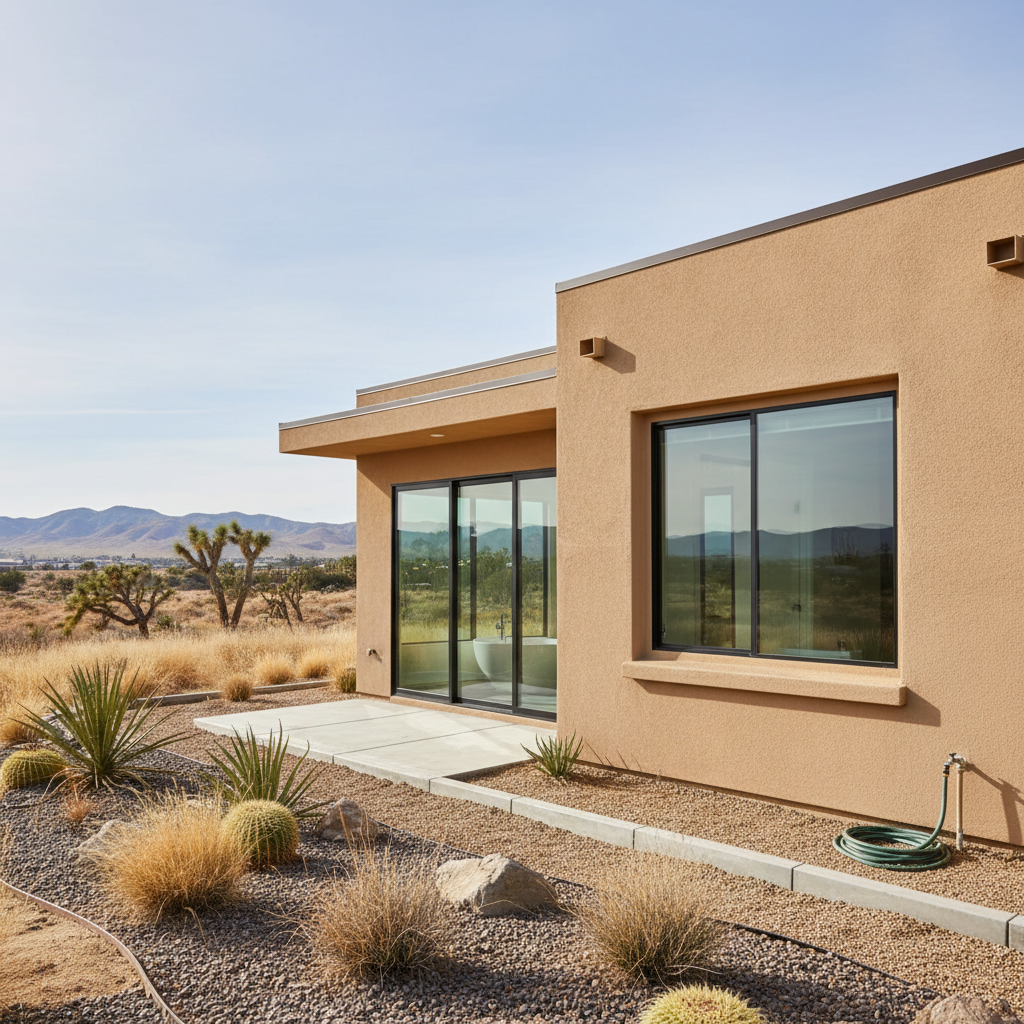
So, your bathroom isn't quite cutting it anymore, huh? Maybe you're dreaming of more room for a double vanity, a bigger shower, or just some honest-to-goodness elbow room. Adding space to a bathroom in your Lancaster home is a fantastic way to boost both its value and your daily comfort. But let's be real, this isn't just swapping out a faucet. It's a full-blown construction project, and you really need to be ready for what that entails.
Understanding the Timeline for a Bathroom Expansion
Okay, let's talk timelines. This is usually the very first question people hit me with. A bathroom expansion isn't something you knock out over a weekend. We're talking about moving walls, possibly rerouting plumbing and electrical, and then all the finish work on top of that. From the first design sketch to the final paint touch-up, you're realistically looking at anywhere from 8 to 16 weeks, sometimes even longer. And that's if everything goes perfectly smooth, which, let's face it, doesn't always happen.
Here's a rough idea of how it breaks down:
- Design & Planning (2-4 weeks): This means sitting down with a designer or an experienced contractor, like us at Lancaster Bathroom Construction, to nail down your layout, pick out materials, and get all the permits lined up. Don't rush this part; good planning really does save you a ton of headaches later.
- Permitting (3-6 weeks): In Lancaster, just like everywhere else, you'll need permits for structural changes, plumbing, and electrical work. The city's building department has its own process, and it simply takes time.
- Demolition & Framing (1-2 weeks): This is where we open things up, take out old walls, and build new ones to create your expanded space.
- Rough-ins (2-3 weeks): Plumbing, electrical, and HVAC lines get run inside the new walls and ceiling. This absolutely has to be inspected before we can close everything up.
- Insulation & Drywall (1-2 weeks): Getting the new walls insulated and drywalled, then taped and mudded.
- Flooring, Tile & Cabinetry (2-4 weeks): This is when your space really starts to look like a bathroom again. We'll be installing your new floor, shower tile, and cabinets.
- Fixtures & Finishes (1-2 weeks): Putting in the toilet, vanity, sink, faucets, shower fixtures, lighting, and, of course, painting.
Just keep in mind, unexpected stuff can pop up. Maybe we uncover some old, unpermitted wiring when we open a wall, or the weather turns genuinely nasty and holds up an exterior structural modification. It happens, believe me. A good contractor will always keep you in the loop.
What to Expect During the Process
Alright, so you know it's going to take a while. But what's it actually like living through a bathroom remodel?
First off, expect noise and dust. We do our absolute best to contain it, but construction is inherently messy. We'll seal off the work area, lay down floor protection, and run air scrubbers, but some dust always seems to find a way. If you have sensitive electronics or allergies, it's smart to plan ahead.
You'll also be without a working bathroom for a good chunk of the project. If this is your only bathroom, you'll definitely need a Plan B. Maybe you have a second bathroom you can use, or you're staying with family for a bit. We'll always try to minimize the disruption, but a bathroom expansion means major utility shutdowns at various points.
There will be decisions. So many decisions. Even if you've picked out everything upfront, a small detail might come up on site. Be ready to make quick choices, or trust your contractor's judgment on the minor stuff.
Communication, by the way, is key. You'll have a project manager or lead carpenter who's your main contact. Don't ever be afraid to ask questions. We're here to guide you through it.
How to Prepare Your Home and Family
Preparation makes a huge difference, truly. Before we even swing a hammer:
- Clear out the work area: Take everything out of the bathroom and any nearby rooms that might be affected. Think about where you'll store it all.
- Protect your belongings: Cover furniture in adjacent rooms with plastic sheeting. Move valuable or fragile items completely out of the way.
- Plan for utilities: Know when water and power might be shut off and for how long. Charge your devices, fill up water bottles – you get the idea.
- Talk to your family: Make sure everyone understands what to expect – the noise, the dust, the temporary inconvenience. Set up alternative routines for showering and using the toilet.
- Secure pets: Construction sites can be super stressful, and dangerous, for pets. Keep them away from the work area, or consider boarding them for the dustiest phases.
Oh, and make sure your contractor knows about any specific concerns you have. For instance, if you've got kids who nap at certain times, or someone working from home who needs quiet periods, we can try to schedule around that where possible.
Crucial Questions to Ask Before Signing a Contract
Before you commit to anyone, you absolutely need to be sure you're working with the right team. Don't just look at the price, that's a common mistake. Ask these questions:
- Can you provide a detailed scope of work? This should list every single thing included, from demolition right down to the final paint color. No vague language, please.
- What's your payment schedule? Reputable contractors usually ask for a deposit, then progress payments tied to completed milestones, not just arbitrary dates.
- How do you handle change orders? If you decide you want a different tile halfway through, what's the process for documenting that change and its cost?
- What permits will be pulled, and who is responsible for them? Make sure they're pulling all necessary permits in your name.
- What kind of insurance do you carry? They should have general liability and workers' compensation. Ask for proof, it's your right.
- Can I see your contractor's license number? Verify it's active and in good standing with the CSLB.
- Who will be my main point of contact, and how often will we communicate? You need to know who to call and how often you'll get updates.
- What's your warranty on labor and materials? A good contractor stands behind their work.
- How do you manage site cleanliness and debris removal? We're not expecting a perfect surgical suite, but you want to know they'll keep the site as tidy as possible and haul away the trash.
Expanding your bathroom is a big investment, yes, but it's one that truly pays off in daily comfort and increased home value. With the right planning and a solid contractor, you'll be enjoying that extra space in no time, even if it means navigating a few weeks of dust and noise. Just remember, the dry, expansive soil we have out here in the Antelope Valley can sometimes mean extra attention to foundation work if you're doing a significant bump-out, so make sure your contractor is familiar with local conditions.